
In June 2023, Salado Public Library staff festooned the library with rainbows and unicorns to coincide with Pride Month. When asked about it, they gave conflicting answers.
The following year, they put up a Pride Month display at the entrance to the young adult section, in violation of library policy.
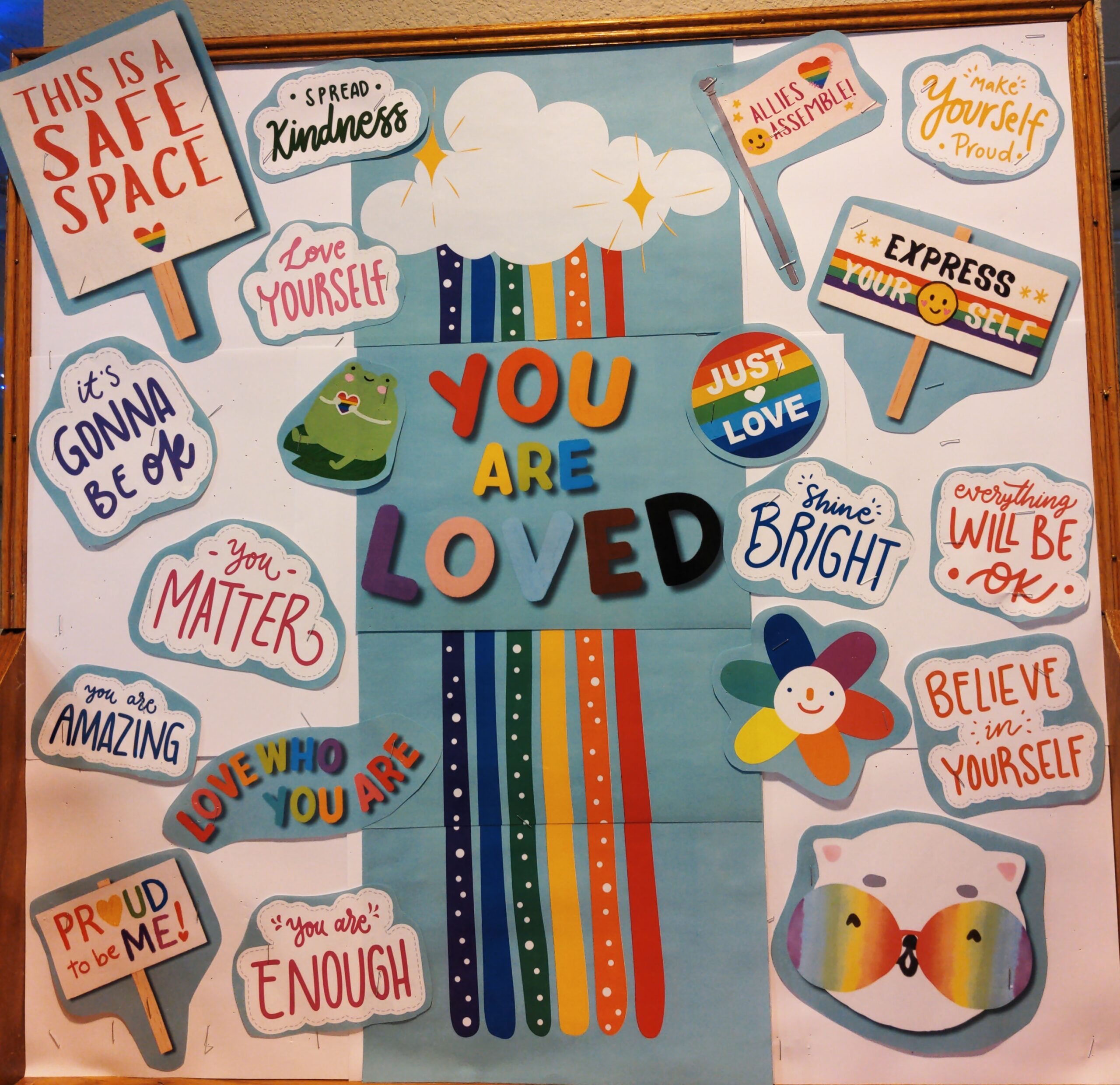
In May 2025, a local resident testified before the board to alert its members to the ongoing issue and to warn them that staff would likely put up a similar display in June—which, of course, they did.
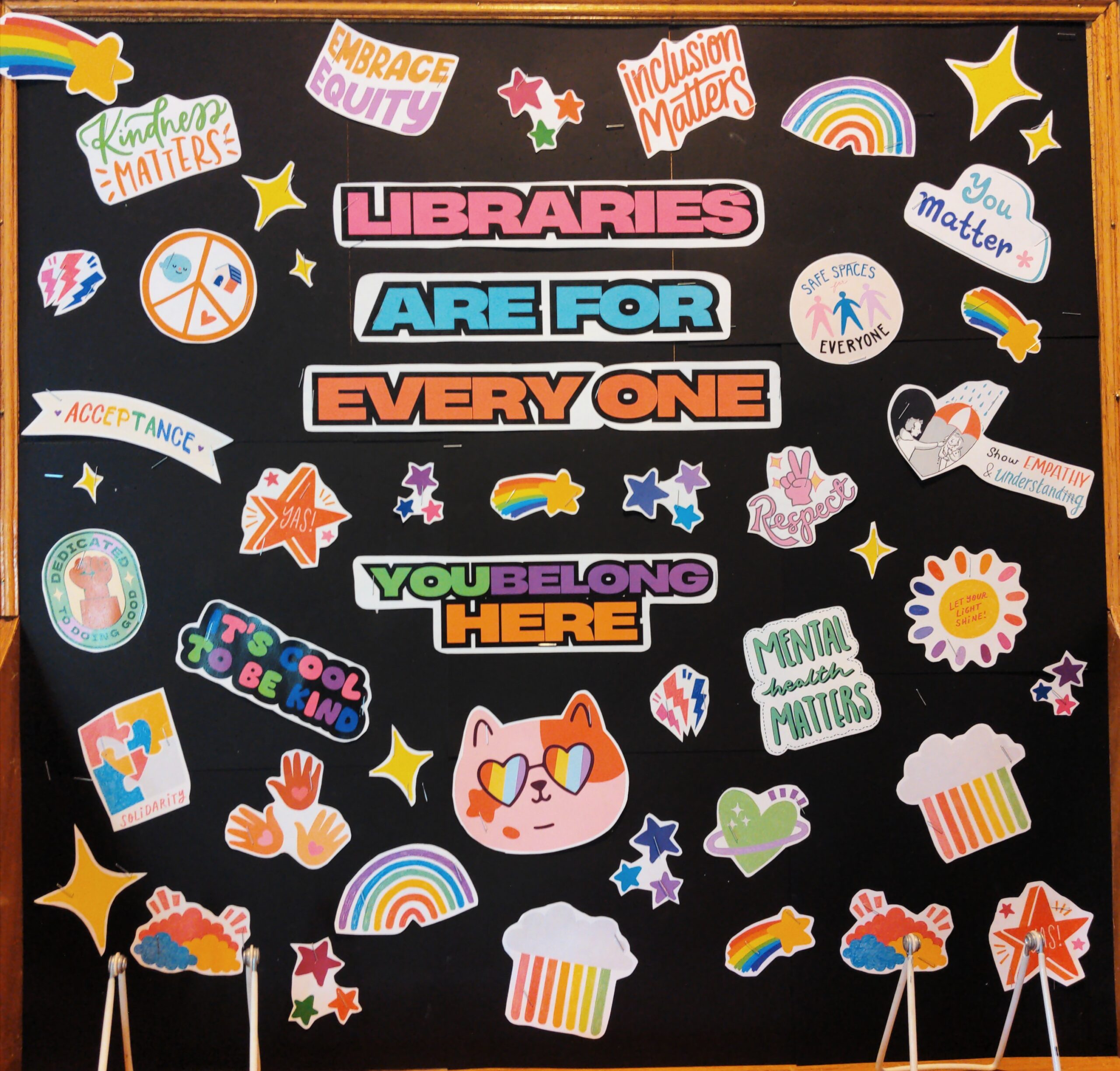
The resident then corresponded with the Library Director by email about the displays. In those exchanges, the Director not only feigned ignorance of any connection to Pride Month but also took umbrage at the suggestion that she had misled patrons about the nature of the displays.
Then, after two years of insisting that the decorations and displays had nothing whatsoever to do with Pride Month—aside from one slip-up in June 2023, when the Director admitted in person that the rainbows were partly in celebration of Pride Month—library staff did something that gave the game away.
They rewrote the very policy they claimed they hadn’t violated.
Which raises the obvious question: if they didn’t violate the policy, why rewrite it?
Here’s the old policy:
The library public display areas may be used for library-related, non-profit, or local community organization materials only. (source)
Pretty straightforward, right?
Here’s the new policy adopted in August 2025, after the library’s actions were exposed:

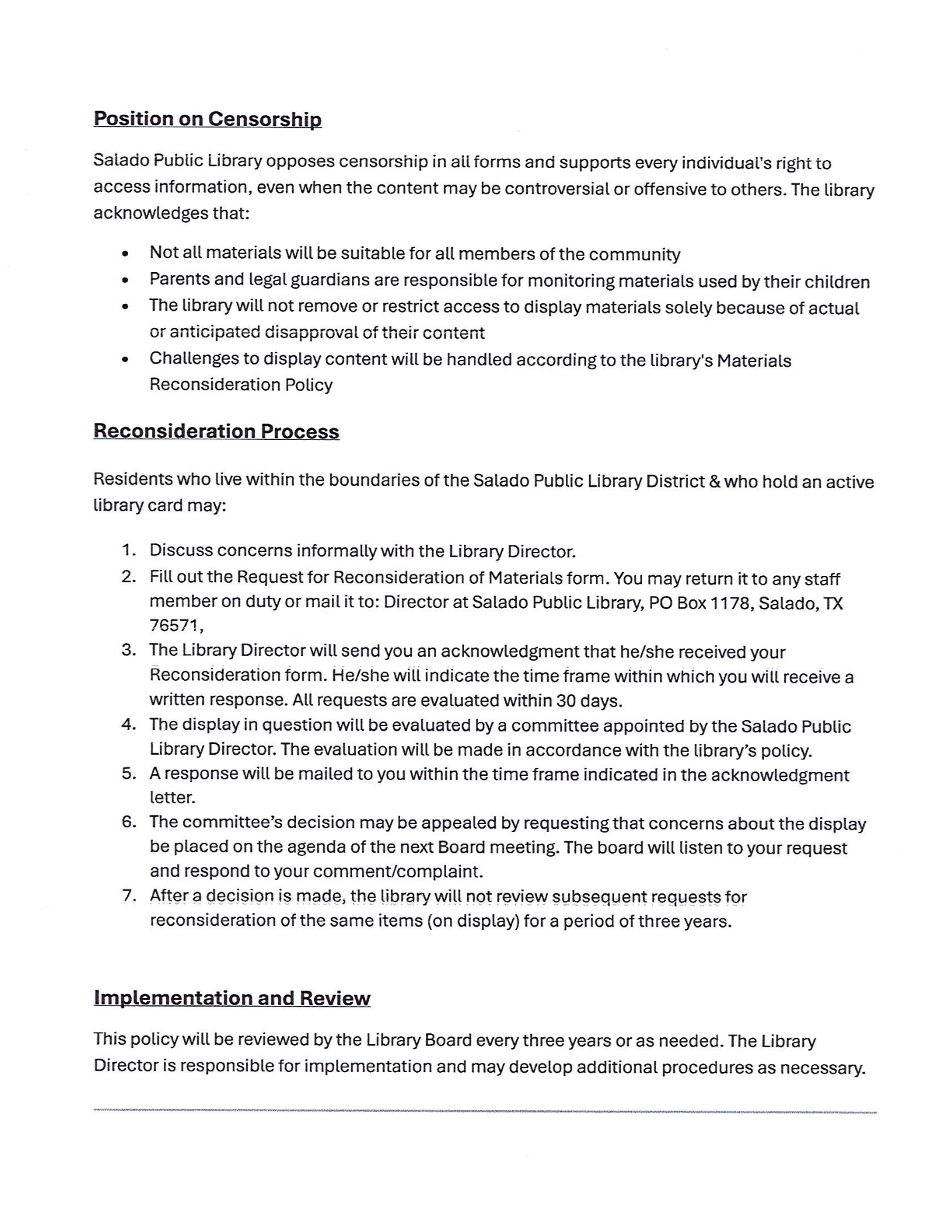
That’s… quite a bit longer. Naturally, one has questions.
- Why does the new policy lean so heavily on “intellectual freedom” and “diversity”? What does that have to do with library displays?
- Why would a library display policy include a section on censorship? Shouldn’t library displays be so innocuous that censorship isn’t an issue? Under what circumstances would library staff feel a need to platform a message that is controversial or offensive? The Salado Public Library is, by definition, for everyone—so shouldn’t its displays be acceptable to as wide a range of people as possible?
- Who is under threat of censorship, anyway? Presumably library staff—who, by the way, are public employees.1 So is it the library’s contention that staff are permitted to say anything in the context of a display? What about Tex. Pen. Code § 43.24? What about court precedent that regulates the speech of public employees?2
It’s clear what’s going on: library staff knew the previous displays violated policy, so they rewrote the rules to give themselves cover for future ones.
But their shield against criticism may not be as strong as they think. The board’s composition could change and the new policy could be repealed; Salado parents may decide that LGBTQ-affirming displays are a bridge too far; and current or future state laws could restrict the promotion of contested viewpoints in public-facing library materials.
We shall see!
1 Their positions are provided for in state law; they are overseen by elected board members; and their salaries are paid for almost entirely by sales tax revenue. While they are on the job, they are not operating in their capacity as private citizens.
2 From the Employment Law Manual for Texas Cities (pp. 10-11):
If an employee speaks pursuant to the employee’s official duties, the employee does not speak as a citizen and his or her statements are not protected under the First Amendment. (Garcetti v. Ceballos, 547 U.S. 410, 421 [2006].) …
When an employee speaks as a citizen (also known as private speech) on matters that are of “public concern,” the employee’s speech is generally protected. (Pickering, 391 U.S. 64 at 574.) …
But there are instances in which an employee’s speech even if related to a matter of public concern would not be protected by the First Amendment. The courts have clarified that even though an employee may be speaking on a matter of public concern, an employee’s right to speak on such matters must be weighed against a government employer’s interests in having a disruptive-free workplace. (Connick, 461 U.S. at 154; see e.g., Rankin v. McPherson, 483 U.S. 378 [1987].) As such, if a government employer’s interests in promoting the efficiency of the public services it performs through its employees outweighs an employee’s private speech on a matter of public concern, then that speech would not be protected. Further, an employee’s speech on purely personal matters is not protected speech. (See e.g., City of San Diego v. Roe, 543 U.S. 77 [2004].)
Note that while this manual was written for cities, the case law cited applies to public employees generally, which includes employees of a library district.
Comments are closed.